Why Do Two Adaptogen Gummies Feel Different Even with the Same Ingredient?
Adaptogens have taken the wellness world by storm, offering purported stress relief, enhanced energy, and balanced mood through natural botanical extracts. Gummies, in particular, have become the default supplement format for many consumers due to their delicious taste, convenience, and mask of sometimes bitter herbal notes. But a common question often arises: why do two adaptogen gummies feel different even when they list the same ingredient? This isn’t just a marketing conundrum—it’s rooted in the complex science of supplement manufacturing, ingredient quality, and accurate dosing.
The Rise of Gummies as the Go-To Supplement Format
Gummies revolutionized supplement-taking like no other form before. Traditional capsules or tablets can be hard to swallow, taste unpleasant, or feel like a chore. Gummies offer:
- Palatable flavors making herbal ingredients enjoyable
- Easy, on-the-go consumption without water needed
- Appeal across age groups, especially for younger users
- Ability to combine multiple actives, vitamins, and herbs in one bite
Brands like Joy Organics have seized this opportunity by offering gummy adaptogens that are not only tasty but also boast certifications like USDA Organic and compliance with FDA regulations for supplement safety. Yet, despite these benefits, the gummy format presents unique manufacturing challenges.
Dose Limits and Heat Stability in Gummy Manufacturing
Unlike capsules, gummies require heat and mixing with sweeteners, gelatin or pectin, and flavorings to form their chewy matrix. This process affects how much of an active ingredient manufacturers can add without degrading it or ruining the gummy’s texture.
- Heat can degrade sensitive botanical actives: Some adaptogenic compounds lose potency with prolonged heat exposure required during gummy production.
- Dose limits per gummy: Heavy doses may alter gummy consistency or taste, making it challenging to achieve the same dosage that’s possible in capsules or powder form.
- Extract standardization variance: The “same ingredient” label often masks different concentrations of active constituents in extracts, especially when used in a gummy's limited capacity.
Without proper extract standardization, two gummies both listing “Ashwagandha root extract 300 mg” might have vastly different amounts of the bioactive withanolides. One brand’s third-party tested batch-specific lab report might show 5% withanolides standardized content, while another’s might only be 1-2%, directly impacting efficacy and subjective sensation.
Botanical Potency Varies: Why Your Label Is Not Comparable
Plant-based supplements face inherent variability from botanical source to source due to:
- Soil health and growing conditions
- Harvest timing and plant part used
- Extraction procedures, solvent types, and drying methods
These factors make the phrase “same ingredient” on the label misleading if not accompanied by extract standardization details. A brand might tout “organic Ashwagandha root extract,” but if it’s not from a reliable source or doesn’t supply standardized extract percentages verified by batch-specific lab reports, potency will differ substantially.
This is why transparent brands prominently display third-party testing certificates, showing exact active content, heavy metals analysis, and pesticide residues—crucial for product trust and safety assurance. Consumers often mistake label similarity as equivalence, but in reality, botanical supplement labels are often not comparable.
The Collagen Dosing Reality: Grams vs. Milligrams
Gummies often combine adaptogens with other supplements like collagen peptides. It’s important to understand dosing metrics: many collagen benefits seen in clinical studies come from gram-level daily doses (usually 2.5g to 10g), but gummies tend to include collagen in milligram amounts—sometimes only 200-500 mg per gummy.
Why this matters:
- Milligrams won’t equal clinical results: Consumers may expect the same benefits from collagen gummies as powders or drinks tested at gram doses but fall short due to insufficient amounts.
- Marketing spin on “collagen support”: Companies may use trace collagen amounts to claim “supports natural production” or “helps skin” without delivering effective levels.
- Batch-specific lab reports clarify actual collagen content: Consumers should check these details rather than relying only on front-of-pack claims.
The Biotin Hype vs. Deficiency Reality and Lab Test Interference
Biotin, another commonly added ingredient in gummy supplements, has created substantial consumer buzz. It’s often included to promote skin, hair, and nail health. However:
- True biotin deficiency is very rare: Most people get enough from diet without supplementation.
- High-dose biotin can interfere with lab tests: Reported cases show excessive biotin intake—often from gummies—can skew thyroid, cardiac, and hormone test results.
- FDA warnings recommend caution: The FDA has issued statements urging healthcare providers to inquire about supplement use before interpreting lab results.
Thus, while biotin-enriched adaptogen gummies may feel like an appealing catch-all for beauty and wellness, consumers should weigh whether such added vitamins are necessary and understand the risks of overhyped doses.
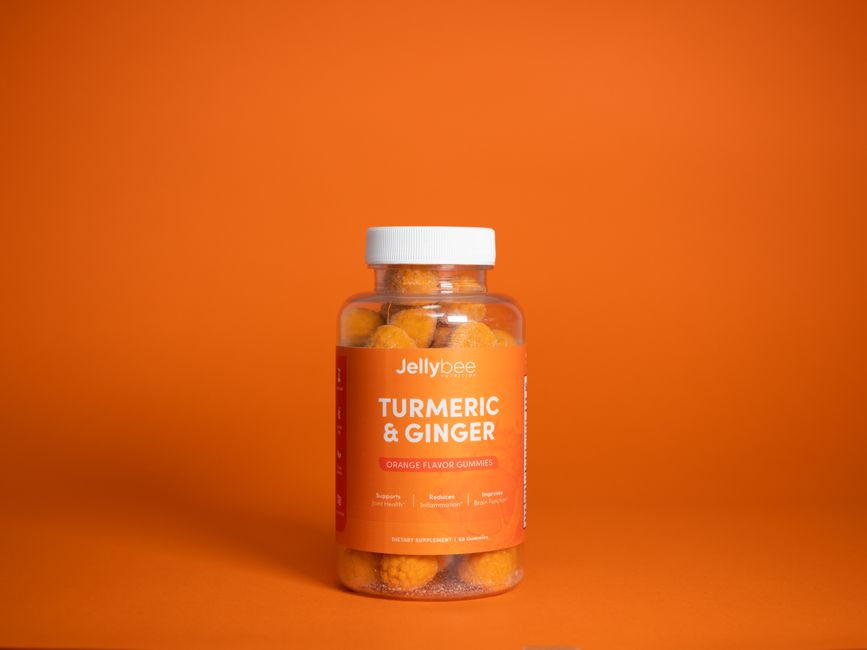

Navigating Supplement Labels and Choosing Quality Adaptogen Gummies
To select adaptogen gummies that deliver reliable benefits and avoid confusion from “same ingredient” claims, follow these tips:
- Always flip the bottle to the Supplement Facts panel first: Check exact dosages and forms of each botanical extract.
- Look for extract standardization: See if the brand lists standardized active compound percentages (eg. 5% withanolides for Ashwagandha).
- Check for batch-specific third-party lab reports: Trusted brands like Joy Organics routinely publish these to prove potency and purity.
- Be wary of proprietary blends: These hide amounts and make dosing clarity impossible.
- Note certifications: USDA Organic seal, GMP compliance, and FDA-registered facilities provide reassurance on product quality.
- Understand the limitations of the gummy format: Dosing and heat stability constraints may mean gummies provide support, not clinical treatment-level doses.
Conclusion
The disparity in how two adaptogen gummies feel despite listing the same ingredient boils down to the complex interplay of botanical potency variability, manufacturing constraints in gummy production, and dosing realities. The gummy format’s convenience and taste benefits sometimes come with trade-offs in heat-sensitive extract stability and achievable dosage compared to powders and capsules.
By paying close attention to standardized extract concentrations, batch-specific third-party test results, and transparent labeling—alongside recognizing the nuances of additives like collagen and biotin—consumers can make more informed choices without falling for misleading “same ingredient” marketing. Brands that embrace this transparency and quality assurance, such as Joy Organics with their organic, FDA-regulated products, set the standard in an increasingly crowded market.
So next time you pick up an adaptogen gummy, remember: not all ingredients are created equal, and the label alone zinc overdose symptoms list doesn’t tell the full potency story.